
Free fencing enquiries across London
Fencing, Gates & Garden Walls in London
A fence is only as good as its posts. Tell us about your boundary and we’ll pass your enquiry to an independent fencing contractor who covers your area. We don’t build fences ourselves, but we do explain what to check.
Find a fencer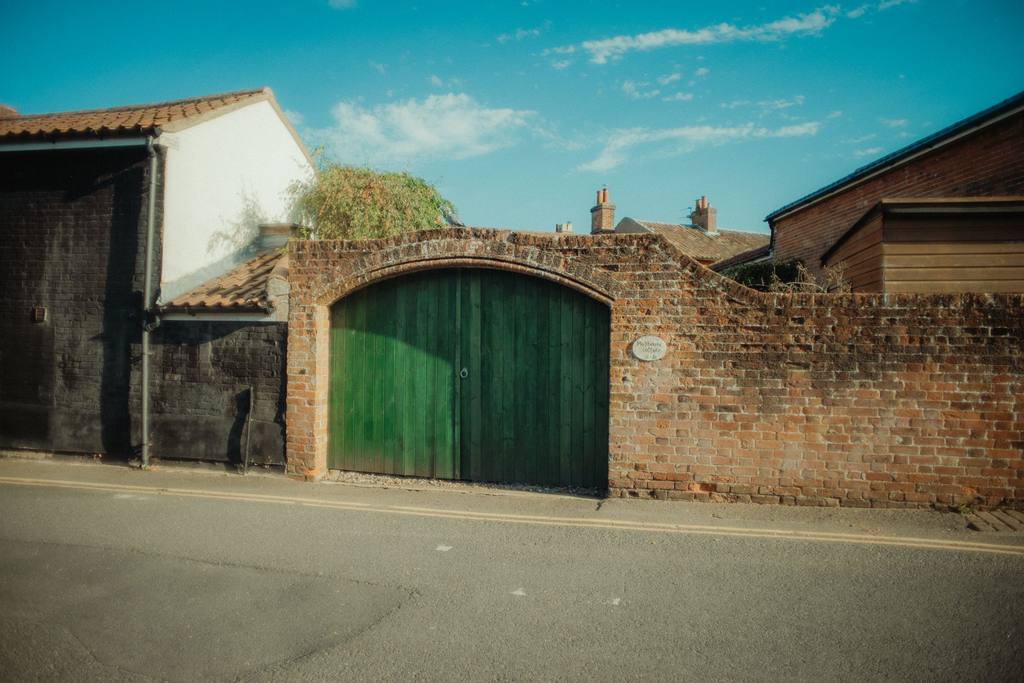
- 1Who owns and maintains the boundary
- 2Ground levels and drainage
- 3Existing posts and footings
- 4Access for materials
Fencing and garden wall jobs you can ask about
From a single storm-damaged panel to a full run of new fencing with a matching gate.
- Ask about this for close-board fencing
Close-board fencing
Featheredge boards on arris rails or a sturdier counter-rail design, with gravel boards to keep timber off the soil.
- Ask about this for slatted & contemporary fences
Slatted & contemporary fences
Horizontal slats in softwood or hardwood, spaced for privacy or for light and airflow, finished to a neat top rail.
- Ask about this for panel fencing
Panel fencing
Panels in concrete or timber posts, a practical choice for long runs and quick replacements after storms.
- Ask about this for side & driveway gates
Side & driveway gates
Timber and metal gates hung on posts sized for their weight, with latches and locks fitted for daily use.
- Ask about this for brick garden walls
Brick garden walls
New boundary and retaining walls in brick, with copings, piers and expansion joints where length requires them.
- Ask about this for repairs & post replacement
Repairs & post replacement
Leaning fences straightened, rotten posts replaced and damaged sections rebuilt to match what is there.
Posts and footings come first
Most fences fail at ground level. Posts that are too shallow, or set where water sits, rock and rot. Ask whoever you hire how deep they dig, whether posts are set in concrete or on spurs, and how the timber is kept clear of the soil.
- Post depth suited to fence height
- Gravel boards to protect timber
- Footings sized for brick walls
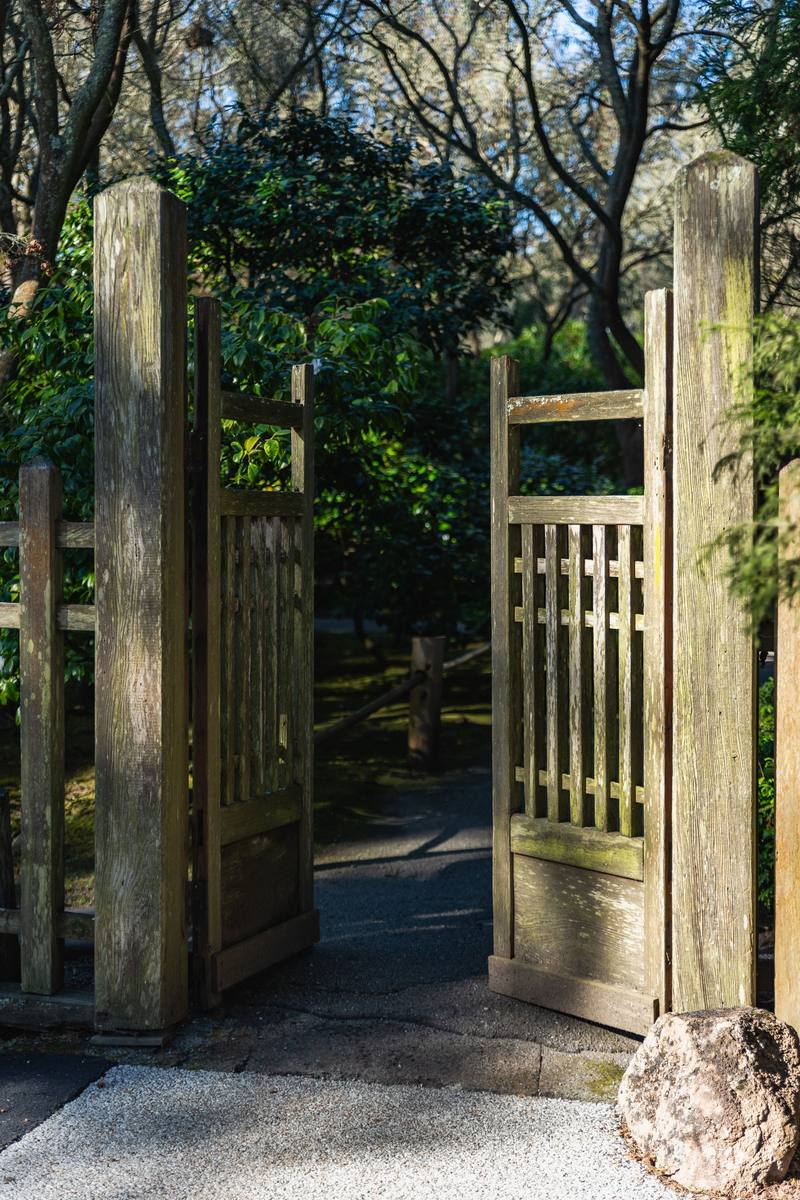
How a fencing job runs
What happens to your enquiry, and how a typical fencing job runs once materials arrive.
Your enquiry
Tell us the length, height and style. We try to pass it to an independent fencer who covers your area; we can’t promise every enquiry is taken up.
Visit & written quote
If a fencer can help, they walk the boundary, check levels and quote for materials, removal of the old fence and any making good.
Remove and install
Old fencing is taken away, posts are set and the new fence or wall is built. Your agreement is with the fencer, not us.
Finish and tidy
Before paying, check gates swing freely, offcuts are cleared and you have treatment advice.
Signs of a boundary done properly
Neat work on the parts everyone sees, and solid work on the parts nobody does.
Straight, level runs
Lines should be strung and levels checked so tops follow the ground evenly.
Neighbour-friendly
Talk through access and timing with the neighbour on the other side before work starts.
Brick and timber
If you need a wall as well as a fence, mention it so the enquiry reaches someone with both skills.
Clear quotes
Removal, disposal and materials should be listed so nothing is hidden.
Quick turnarounds
Fencing is a short job, so ask for a realistic finish date.
Check insurance first
Fencers work independently of this site, so ask for proof of insurance before the job is booked.
Fencing questions
What people usually ask before replacing a fence or building a wall.
Who owns the fence between me and my neighbour?
Ownership is often shown on the title plan or deeds, but not always. If in doubt, it is worth checking with HM Land Registry documents and speaking to your neighbour before work starts.
Do I need planning permission for a fence?
In many cases a fence or wall up to a certain height does not need planning permission, but limits are lower next to a road and rules differ for listed buildings and conservation areas. Check with your council if you are unsure.
Concrete or timber posts?
Concrete posts resist rot and suit panel fencing; timber posts look more natural and suit close-board and slatted designs. Ask the fencer to explain the trade-offs for your boundary.
How long will a new fence last?
Lifespan depends on timber treatment, ground conditions and maintenance. Keeping timber off the soil with gravel boards helps a great deal.
Can a retaining wall be built?
Low garden retaining walls are common; taller ones may need an engineer’s design. Ask whoever quotes whether that applies.
Will the old fence be taken away?
Usually it can be; ask for removal and disposal to be listed separately on the quote.
Can an existing fence be matched?
Usually, yes, as closely as available board sizes and styles allow. Photos of the existing fence help.
Can I ask about a gate on its own?
Yes. Side gates and replacement gates are a common enquiry on their own.
Will the fencer be insured?
Each fencer works independently and we can’t vouch for their cover, so ask for proof of insurance with the quote and before the work is booked.
Fencing enquiries from across London
Send an enquiry for a house, flat or small commercial site in any borough.
London gardens range from narrow terrace plots to larger suburban spaces, and many share boundaries with several neighbours, so heights and ownership are worth checking before work starts.
Any site visit is arranged directly between you and the fencing contractor.
Send a fencing enquiry
Tell us the length, height and style you’re thinking of. We’ll try to pass it to an independent fencer who can visit.